Child Custody in Maryland: How the Courts Decide

DK Law Group attorneys guide Maryland parents and children through the court’s child custody decision process.
Understand how Maryland courts approach child custody, what factors they consider, and what you can do to strengthen your parenting plan.
Navigating child custody can be one of the most emotional and complex aspects of divorce or separation. If you’re a parent going through a breakup in Maryland, it’s critical to understand how custody decisions are made—and how to protect your rights and your relationship with your child.
This guide explains how Maryland child custody law works, the factors judges use to make custody decisions, and what you can do to build a strong, court-approved parenting plan.
Understanding Child Custody in Maryland
In Maryland, child custody refers to both the legal rights and responsibilities a parent has regarding their child. There are two main types of custody:
Legal Custody – The right to make major decisions about the child’s education, healthcare, religion, and overall welfare.
Physical Custody – Where the child lives on a daily basis and which parent is responsible for their daily care.
Each of these can be sole (one parent) or joint (shared by both parents). Maryland courts often favor joint custody arrangements when they serve the best interests of the child. For ideas on how to handle guardianship designations as part of your parenting plan, see Who Will Care for You Kids? Understanding Guardianship for Minor Children.
Read more on legal vs. physical custody in Maryland.

The Legal Standard: Best Interests of the Child
The “best interests of the child” is the guiding principle in all Maryland custody cases. Judges don't automatically favor mothers or fathers—instead, they evaluate a wide range of factors to determine what arrangement is best for the child’s physical, emotional, and psychological well-being.
Factors Maryland Courts Consider in Custody Decisions
When deciding custody, Maryland family courts look at many factors, including:
Parental fitness – Each parent’s mental and physical health, stability, and ability to care for the child.
Child’s relationship with each parent – Emotional bonds and history of care.
Primary caregiver status – Who has been the main caretaker.
Child’s preference – Especially for older children (usually age 12+), though it’s not the deciding factor.
Parental work schedules – Which parent has more time and flexibility.
Co-parenting ability – Whether parents can communicate and cooperate effectively.
History of abuse or neglect – Allegations of domestic violence or child abuse are taken very seriously.
Geographic proximity – How close the parents live to each other, which impacts school and routine.
No single factor guarantees a custody outcome—the court weighs the total picture.
Temporary Custody During Divorce or Separation
Before a final custody decision is made, one parent may request temporary custody during divorce proceedings. These are called pendente lite orders, and they help maintain stability for the child until the final hearing.
Courts will often try to keep the child’s routine as consistent as possible, especially if they are in school or have strong ties to a particular home or community.

Joint vs. Sole Custody in Maryland
Many parents ask: Does Maryland favor joint custody?
The answer: it depends. Maryland courts generally prefer arrangements where both parents remain actively involved—joint legal custody is common unless there’s a clear reason not to grant it.
However, joint physical custody—meaning the child spends equal or significant time with both parents—requires a high degree of cooperation. If parents can’t communicate well, the court may lean toward sole physical custody with visitation rights for the other parent.
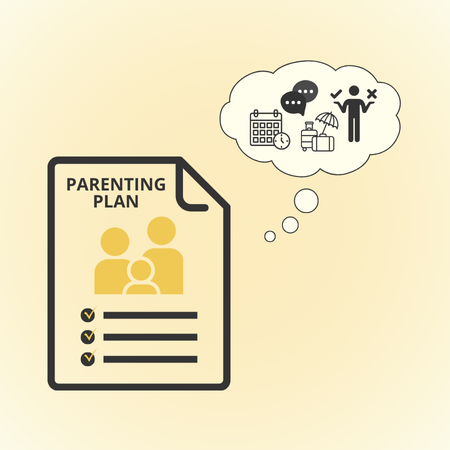
Parenting Plans: What They Are and Why They Matter
A parenting plan is a written agreement that outlines how parents will handle custody and visitation. Maryland courts often require parents to submit a parenting plan, especially if there is a dispute.
Your parenting plan should address:
Daily schedules and transitions
Holidays, vacations, and special occasions
Communication methods between parents
How to resolve disagreements
Decision-making responsibilities
The more detailed your plan, the more likely the court is to approve it—and the easier it is to avoid future conflict.
Download a sample Maryland parenting plan template [Click Here].
Modifying Child Custody Orders in Maryland
Life changes. If your custody arrangement no longer works due to relocation, job changes, or other shifts, you can request a modification of your custody order.
Tip: if you’ve had a major family change—like remarriage or blending households—be sure to revisit your estate plan, too. Our Estate Planning Essentials for Blended Families post has step‑by‑step guidance on updating wills and trusts when your household grows.
To succeed, you must show:
A material change in circumstances, and
That the proposed change is in the best interest of the child.
Modifications can be negotiated between parents or requested through the court if an agreement isn’t possible.
Enforcement: When a Parent Doesn’t Follow the Custody Order
If your ex is violating the terms of a custody order—such as denying visitation or refusing to return the child—you can seek enforcement through the court.
Courts in Maryland take violations seriously and may impose consequences, including:
Make-up parenting time
Fines or legal fees
Contempt of court
Possible custody modifications
If you need to enforce a Maryland custody order, contact Diana Khan.
How a Maryland Child Custody Attorney Can Help
Navigating custody is deeply personal—and legally complex. A skilled Maryland child custody attorney can help you:
Build a strong custody case
Draft or review your parenting plan
Represent you in court
Negotiate agreements or modifications
Protect your parental rights and your child’s best interests
At DK Law Group, we’ve helped countless Maryland families reach child-focused custody arrangements that work for both parents and children. Whether you’re just starting the process or dealing with a custody dispute, we’re here to help you every step of the way.
For guidance on how divorce impacts your estate plan—so your custody arrangement and legacy documents work in tandem—see Marriage, Divorce, and Your Estate Plan: What You Need to Know.
Child Custody in Maryland
Understanding how Maryland courts decide custody gives you the power to take control of your case. The more prepared, informed, and cooperative you are, the better your chances of securing a custody arrangement that truly works for your family.
Whether you’re developing a parenting plan, requesting a custody modification, or heading to court, having the right legal support can make all the difference.
Best Interests Balancer
Drag and drop the factors in the order you think Maryland courts prioritize them. Then click “Check Ranking”.