How to Pick the Best Executor for Your Estate

Not sure who should handle your estate in Maryland? Learn how to choose the best executor and avoid probate delays.
Choosing the right executor for your estate is one of the most important steps in crafting your estate plan. An executor (known in Maryland as a personal representative) is the person who will carry out your wishes and manage your affairs after you pass away. This includes handling paperwork, paying final bills, managing probate, and distributing assets to your beneficiaries. In other words, your executor makes sure everything you’ve planned happens smoothly and your loved ones are taken care of. In this post, we’ll discuss how to pick the best executor for your will in Maryland, what qualities to look for, and why the choice matters for you and your family.

An executor (personal representative in Maryland) handles paperwork, probate steps, and distributing assets after a loved one passes.
What Is an Executor and Why Does It Matter?
An executor is the individual you name in your will to manage your estate after your death. This role comes with a lot of responsibility. The executor must follow your instructions as written in the will and also comply with Maryland law in administering your estate. Key duties of an executor include:
Taking the will through probate: In Maryland, the will is filed with the court (often the Orphans’ Court) to formally start the probate process. The executor guides the estate through this legal process to validate the will and eventually close the estate.
Gathering and managing assets: The executor collects all your assets – bank accounts, real estate, investments, personal property, etc. – and keeps them safe. They may need to retitle assets or manage accounts while the estate is being settled.
Paying debts and taxes: Part of the job is to pay any outstanding debts, bills, and taxes (including Maryland inheritance or estate taxes if applicable) using the estate’s funds. Executors must also publish notices to creditors and address any claims against the estate.
Distributing assets to beneficiaries: Once debts and expenses are handled, the executor distributes the remaining property to your beneficiaries exactly as you instructed in your will. This could include transferring titles, writing checks from estate accounts, or delivering personal items to family members.
These tasks can be time-consuming – the probate process can take many months (often 6 to 9 months or more) to complete, even for a modest estate. That’s why choosing the right person as executor is crucial. A good executor will handle duties efficiently and fairly, ensuring your heirs receive their inheritances without unnecessary delay or conflict.

Choosing the best executor for your estate means picking someone trustworthy, organized, and ready to handle Maryland probate tasks.
Who Should You Choose as Your Executor?
When choosing an executor for your will, pick someone responsible, honest, and capable. The role doesn’t require a legal or financial expert – the person you choose can always hire professionals like attorneys or accountants to help with complex tasks. What truly matters are personal qualities and trustworthiness. Here are some ideal traits to look for:
Trustworthiness: Above all, select someone you trust with your finances and personal wishes. This individual will have access to your assets and must act in the best interest of your estate and beneficiaries at all time. If you have any doubts about a person’s honesty or integrity, they should not be your executor.
Organization & Reliability: Managing an estate involves a lot of paperwork and deadlines – from filing court documents to keeping track of bills and estate inventories. Choose an executor who is organized and detail-oriented. They should be the type of person who can stay on top of tasks and follow through on commitments, even if the process takes months.
Communication Skills: The executor will need to coordinate with attorneys, accountants, courts, and family members. Strong communication and diplomacy skills are a big plus. If there are multiple beneficiaries, a good executor should be able to handle potential conflicts calmly and fairly. They may have to explain decisions or estate terms to family members, so being patient and clear is important.
Financial Savvy: While they don’t need to be a CPA, it helps if your executor is comfortable handling money matters. They might need to manage investments, understand basic accounting for the estate, or make decisions about selling assets. At minimum, pick someone who will ask for professional help when needed and not ignore important financial details.
Location and Availability: Ideally, your executor should have the time and availability to dedicate to settling your estate. Consider their work schedule and personal commitments – someone who is extremely busy or frequently traveling might struggle with executor duties. Location can be another factor: an executor who lives in or near Maryland can more easily handle tasks like securing your home, checking mail, or attending court hearings. (Maryland law does allow out-of-state executors, but they may need to appoint an in-state agent for service of process, which can add complexity.)
Many people choose a close family member (such as a spouse, adult child, or sibling) as their executor, since family often knows your situation bestpeoples-law.org. Others might pick a trusted friend who is responsible and understands their wishes. If you don’t have a suitable friend or family member, you can appoint a professional executor, like an attorney or a licensed fiduciary. A professional may charge a fee (paid from the estate), but they bring expertise and impartiality to the role. This can be especially helpful if your estate is large or complex.
Tip: It’s perfectly fine to talk to the person you’re considering before naming them. In fact, it’s recommended to ask if they are willing to accept the responsibility. An executor can decline or resign from the role, so having their consent and discussing your general plans can prevent surprises later.
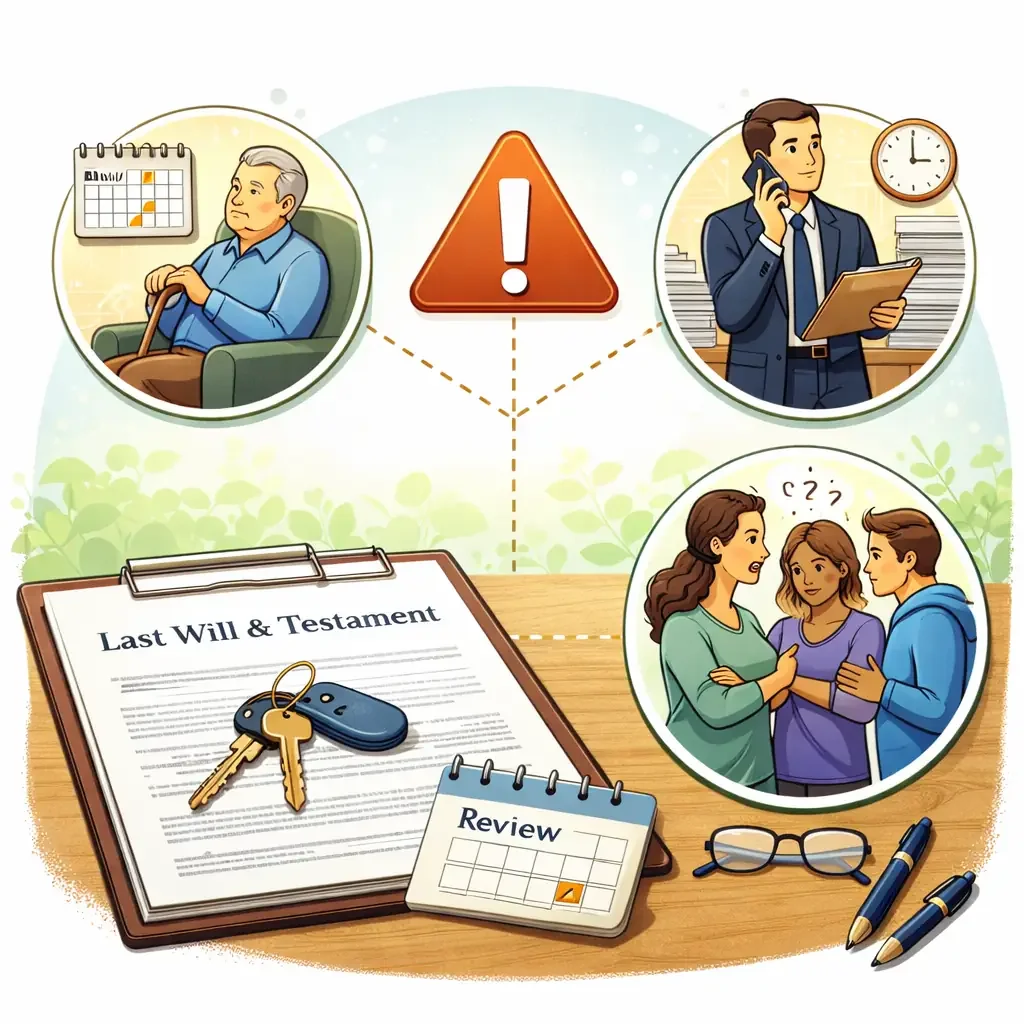
Choosing the best executor for your estate means picking someone trustworthy, organized, and ready to handle Maryland probate tasks.
Things to Consider Before Finalizing Your Choice
Before you finalize your executor choice in your will, keep a few practical considerations in mind:
Willingness and Availability: Make sure the person is not only capable but also willing to serve. Being an executor can be a time-intensive job, often taking months of work. If your first-choice person has serious time constraints, health issues, or reservations, it might be better to choose someone else or name a co-executor to assist them.
Age and Succession: Consider the age and long-term availability of your executor. Ideally, choose someone likely to outlive you and remain in good health. For example, naming a very elderly parent might not be the best idea. It’s wise to also name an alternate executor (successor) in your will – someone who can step in if your primary executor is unable or unwilling to serve when the time comes. This way, you have a backup plan and can avoid the scenario of the court appointing someone by default.
Potential Conflicts: Try to anticipate family dynamics. Pick someone who gets along with your family or can at least remain neutral. If your estate involves blended families or sensitive situations, the “calm diplomat” quality in an executor is even more crucial. You want to minimize the chance of disputes. (If your situation is complex – for instance, second marriages or estranged relatives – a professional executor or co-executors from different sides of the family might be options to ensure fairness.)
Local Requirements: If your chosen executor lives outside Maryland, be aware of Maryland’s rules. An out-of-state executor can serve, but Maryland may require them to appoint a Maryland resident as an agent and/or post a bond. This isn’t a deal-breaker, just something to plan for. On the other hand, a local executor might have an easier time handling things like property management or court paperwork in state.
Every individual’s estate is unique, so think about what specific issues your executor might have to handle. For example, if you own a small business, pick someone with a bit of business sense or who can work with your partners. If you have minor children, you might want an executor who can collaborate well with the children’s guardian.
Related: Estate planning isn’t one-size-fits-all. You may have unique circumstances that affect your choice of executor. For instance, seniors in Maryland often consider long-term care or Medicaid issues in their estate plans (see our post Golden Years, Smart Plans: Estate Planning Tips for Maryland Seniors for more on planning in your retirement years). LGBTQ+ couples might have specific legal considerations to ensure their loved ones are protected (see Safeguarding Your Love and Legacy: Estate Planning for LGBTQ+ Couples and Families for guidance tailored to LGBTQ+ families). If you’re an artist or creative professional, you might worry about preserving intellectual property or managing royalties – you’ll want an executor who understands the value of your creative assets (see Art That Lasts: Estate Planning Tips for Artists and Creative Professionals). In any special scenario, choosing an executor who is attuned to your particular needs can make a big difference.
What Happens If You Don’t Choose an Executor?
If you don’t name an executor (personal representative) in your will, or if the person you chose can’t serve, the probate court will appoint someone to handle your estate. In Maryland, the court often appoints a close relative as the personal representative if no one is named, but there’s no guarantee it will be the person you would have wanted. This court process can slow things down and add extra stress for your family during an already difficult time. There may be a period of uncertainty while the court decides who should be in charge, and that could delay important tasks like paying bills or securing property.
Moreover, a court-appointed administrator might have to buy a bond (an insurance policy for the estate), which is an additional expense taken from the estate’s assets. By choosing an executor ahead of time in your will, you maintain control. You’re ensuring that a person you trust and who understands your wishes will be in charge, rather than leaving that decision to a court that doesn’t know your personal preferences.
In short, not naming an executor is a gamble – your estate may still be settled, but possibly not in the way you intended or as efficiently as possible. It only takes a quick addition to your will to name an executor (and a backup), which can save your loved ones from confusion and conflict later on.
How DK Law Group Can Help You Choose the Right Executor
At DK Law Group, we understand that picking an executor can feel overwhelming. It’s not just a legal decision, but a deeply personal one. Our experienced Maryland estate planning attorneys are here to guide you through the process and help you make the best choice for your situation. We have helped numerous families in Maryland with wills, trusts, and probate, so we can offer insight into what works well and what pitfalls to avoid when naming an executor.
If you’re unsure who to choose as an executor, we can discuss the pros and cons of different candidates in your life. We’ll ask the right questions – for example, have you considered this person’s availability, honesty, and ability to handle paperwork? We can also explain the legal requirements that your executor will need to fulfill, so you know the role’s scope. In some cases, our firm can even serve as a professional executor for your estate if you prefer an independent party. This can be beneficial if you anticipate potential family conflicts or if you simply want professional management for peace of mind.
Remember, you don’t have to make these decisions alone. Working with an estate planning attorney can ensure that all bases are covered – from correctly wording your will to addressing Maryland-specific laws (like those about out-of-state executors or bond requirements). At DK Law Group, our goal is to make sure your estate is in good hands so that you have complete peace of mind.
Conclusion and Next Steps
Choosing the right executor is a critical part of estate planning – arguably one of the most important decisions you’ll make in your entire plan. The best executor for your estate is someone who will honor your wishes, protect your assets, and ease the process for your loved ones. By taking the time to carefully select this person now, you are safeguarding your legacy and sparing your family from additional headaches down the road. Don’t leave the decision to chance or to a court’s discretion.
As you plan for the future, make sure to communicate your choice with the person you’ve chosen and with your family. Estate planning works best when everyone involved has clarity. Once your will (and executor nomination) is in place, review it periodically – life circumstances can change, and you want to be sure your chosen executor is still the right fit over time.
Need help with your estate plan or naming an executor? Contact DK Law Group today to discuss your options. We’re here to provide personalized guidance every step of the way. Call us at (443) 739-6724 or email diana@dklawmd.com to schedule a consultation. Our friendly team is ready to help you craft a smart estate plan and ensure your wishes are carried out exactly the way you want. Don’t hesitate – secure peace of mind for yourself and your loved ones by planning ahead now.
(Feel free to share this post with anyone who is working on their will or estate plan. Planning today can make all the difference for your family tomorrow!)